
Made in Townsville, North Queensland
Hemp homes, built in weeks.
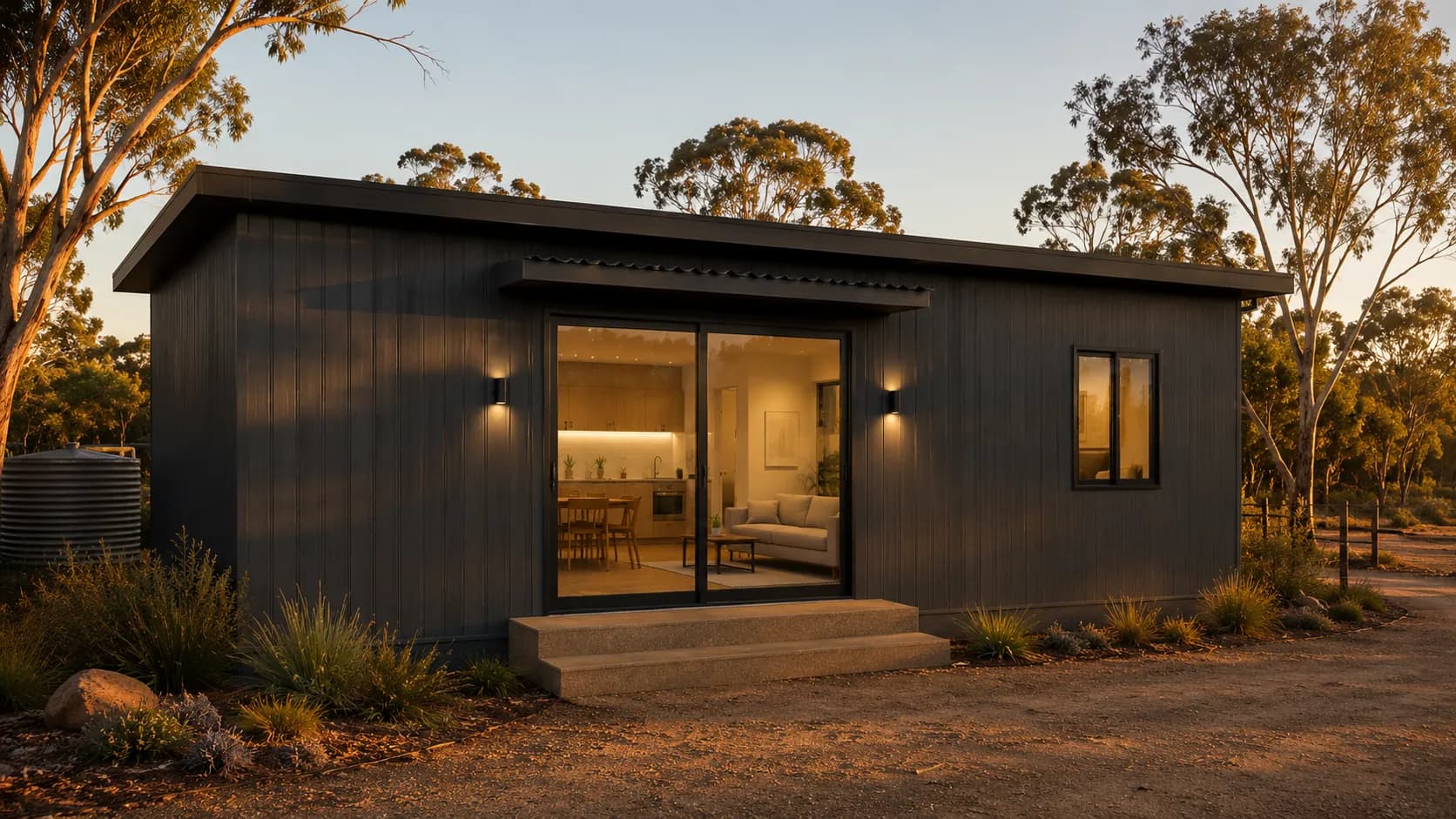
Factory-built modular homes made from Australian industrial hemp, manufactured in Townsville. Carbon-negative, cyclone- and fire-rated, and delivered to your site in a fraction of the time of a traditional build.
Standard module 4.4 m × 13.5 m · ~60 m²
Why hemp changes the equation
A house that's grown, not just built.
1.6 t
CO₂ stored per tonne of hemp
the house is a carbon sink
100 days
hemp crop cycle
vs 20–30 years for plantation timber
6–8 weeks
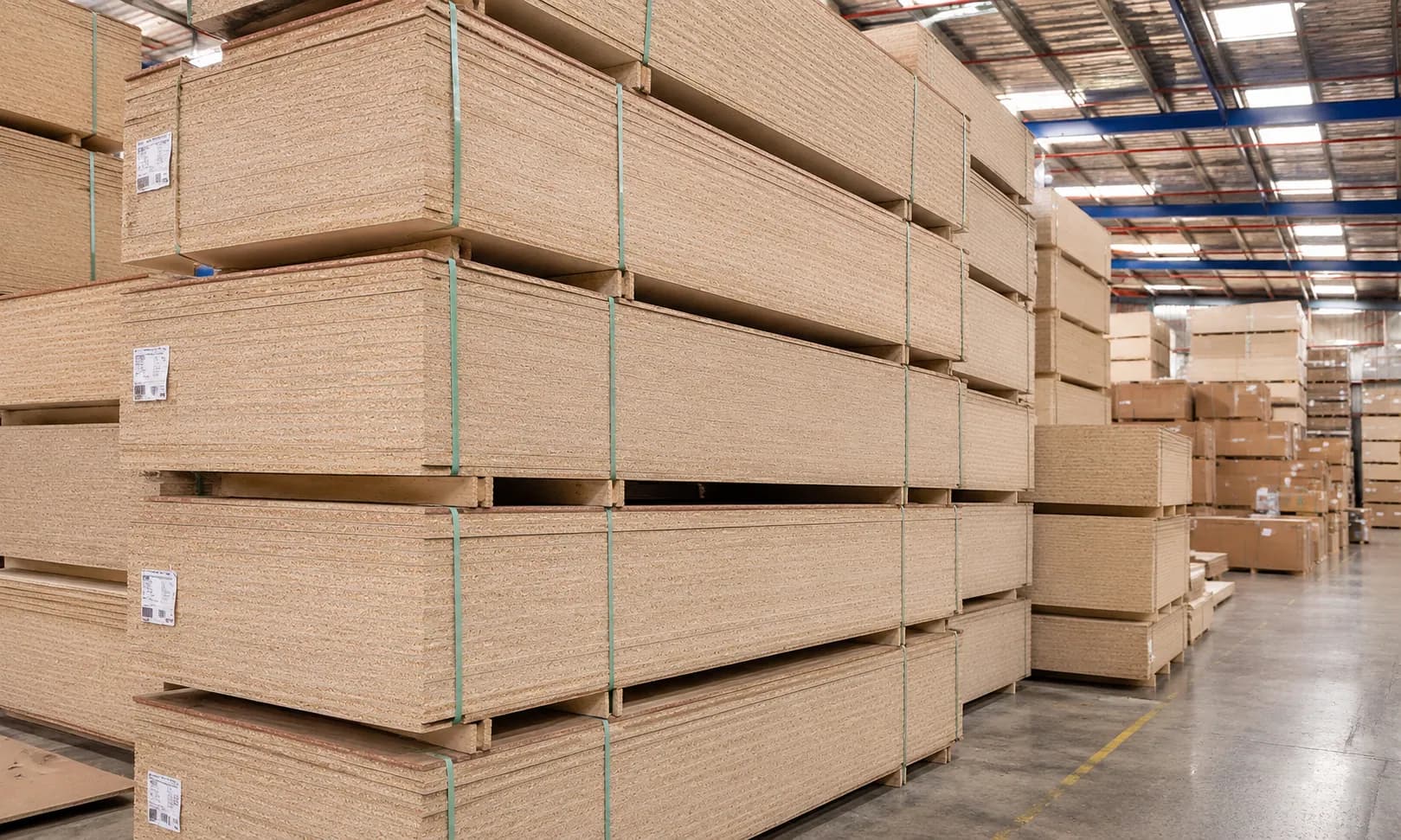
factory build
vs 6–12 months on site
8+ t
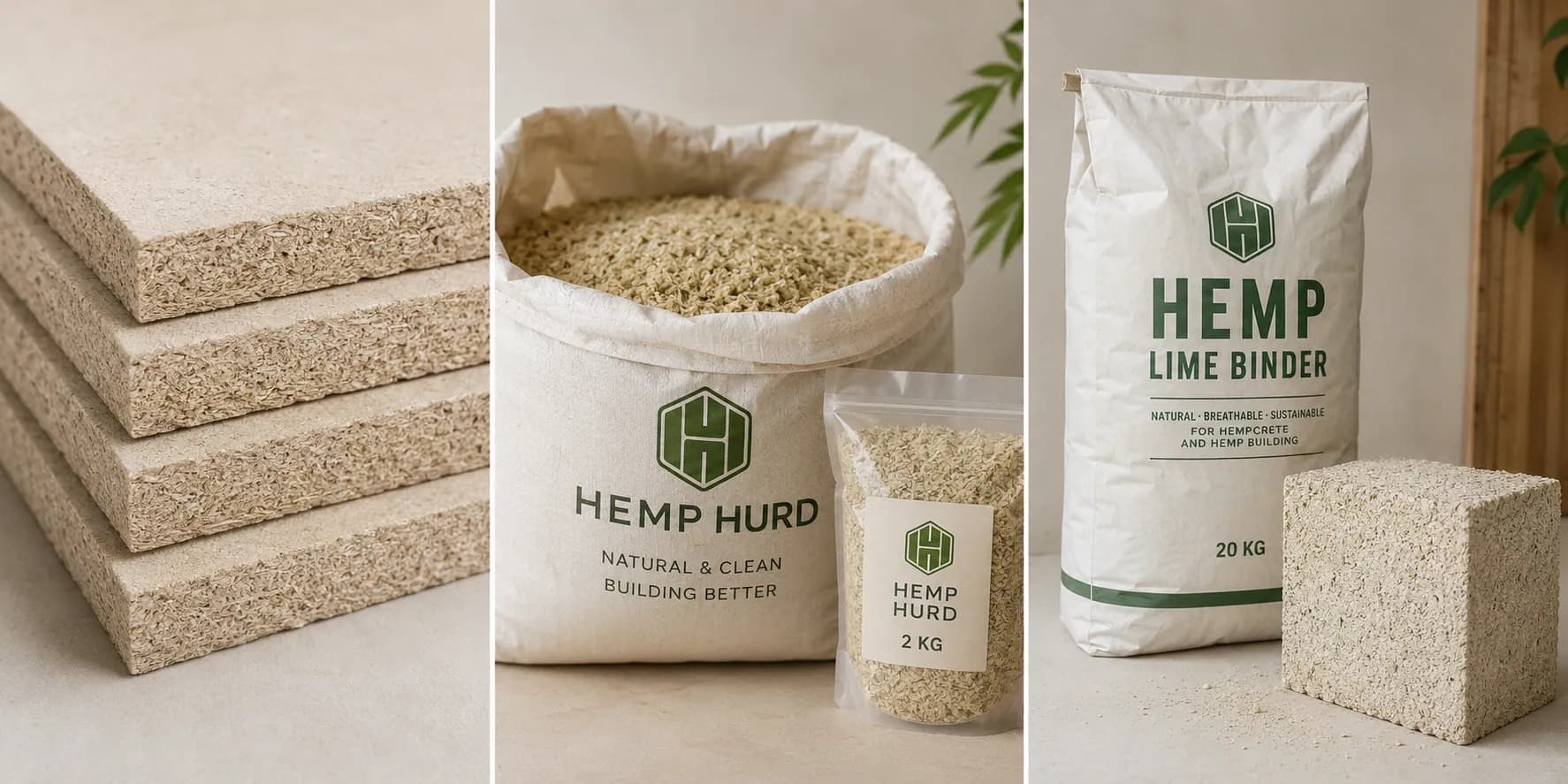
of hemp per 60 m² module
locked into every home
Why hemp, why now
Traditional construction can't keep pace.
Australia's housing shortage collides with material shortages, labour shortages and 6–12 month build times. Hemp changes the equation: a fast, local, carbon-negative supply chain, manufactured in North Queensland, that turns a house into a carbon sink.
HempPod
6–8 weeks
Factory build, then 2–4 weeks site works and install.
Traditional on-site build
6–12 months
Exposed to material shortages, labour gaps and weather delays.
The history they don't teach
The Playbook That Buried the World's Best Building Material — Until the Tables Turned
Did you know? For thousands of years, hemp built homes, ships, and cities — strong, fire-resistant, and carbon-storing. Then in the 1930s, political pressure and competing industries pushed it out of the building trade almost overnight. The materials that replaced it — concrete, plastics, and fibreglass — became some of the biggest polluters on the planet. Here's how it happened, and how it's being reversed.
- PRE-1937
The Original Building Material
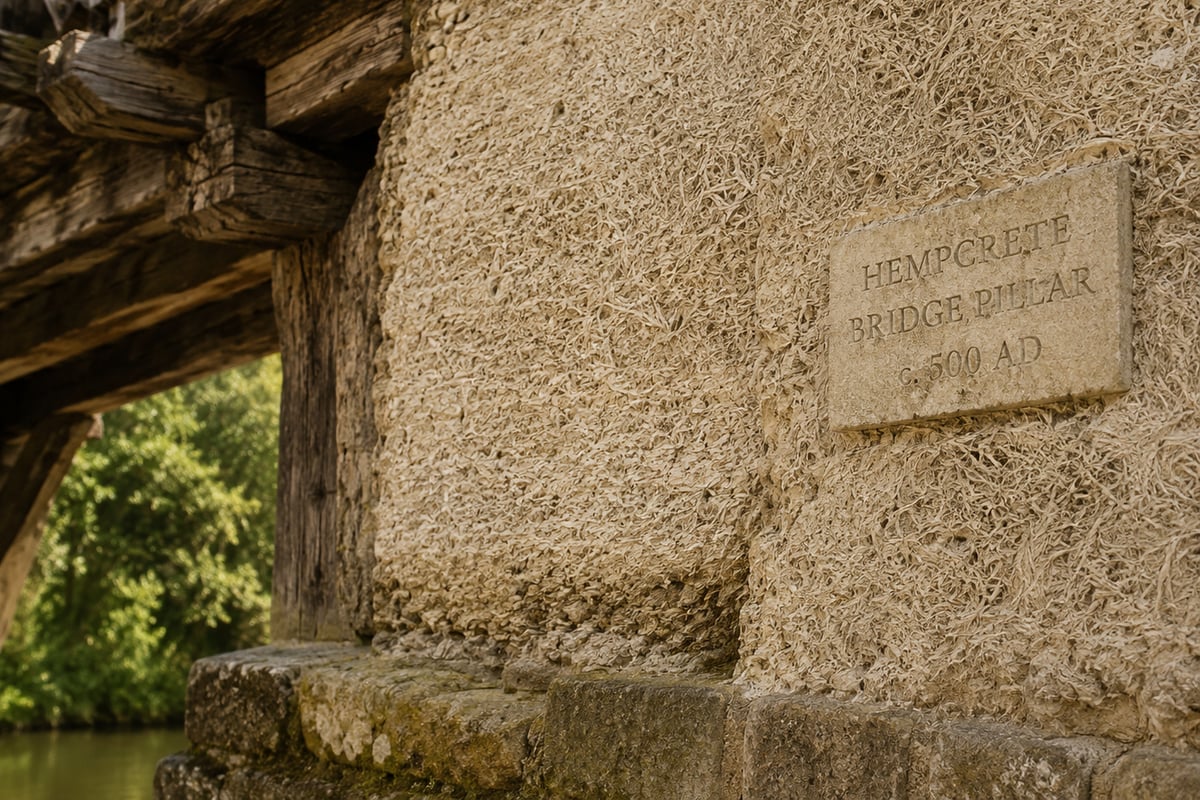
Hemp hurd and lime built durable, breathable structures for centuries. A 1,500-year-old hempcrete bridge pillar still stands in France.
- 1937

The Marihuana Tax Act (USA)
Industrial hemp lumped in with cannabis. Farming collapses. Timber, petrochemical, and synthetic fibre industries fill the gap.
- 1961

The UN Single Convention
Global prohibition locks in. Australia follows. Hemp research and cultivation effectively frozen worldwide.
- 1950s–90s
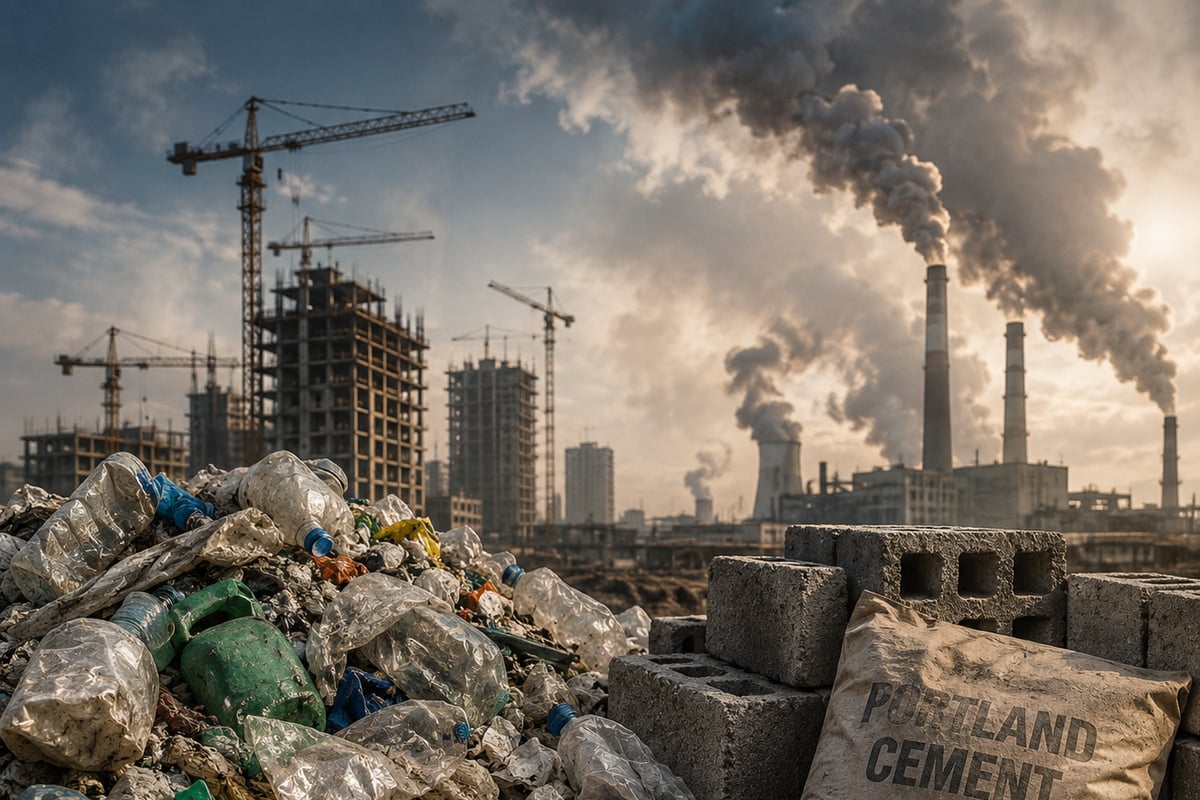
Concrete & Plastic Take Over
Construction becomes one of the world's largest carbon emitters. Cement alone: around 8% of global CO₂. Homes are built from materials that off-gas, burn toxic, and never biodegrade.
- 1998–2017
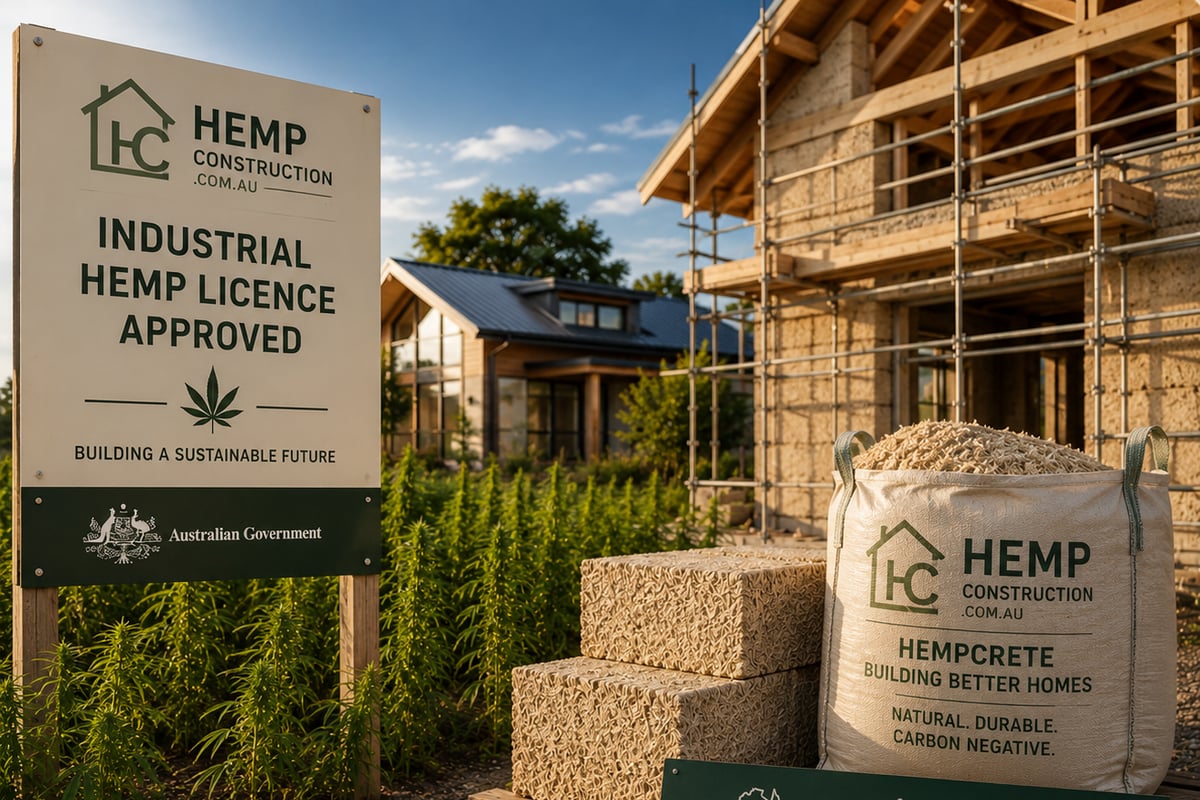
The Quiet Comeback
Australian states begin licensing industrial hemp. France and the UK build thousands of hempcrete homes. In 2017, hemp foods are finally legalised in Australia.
- 2018
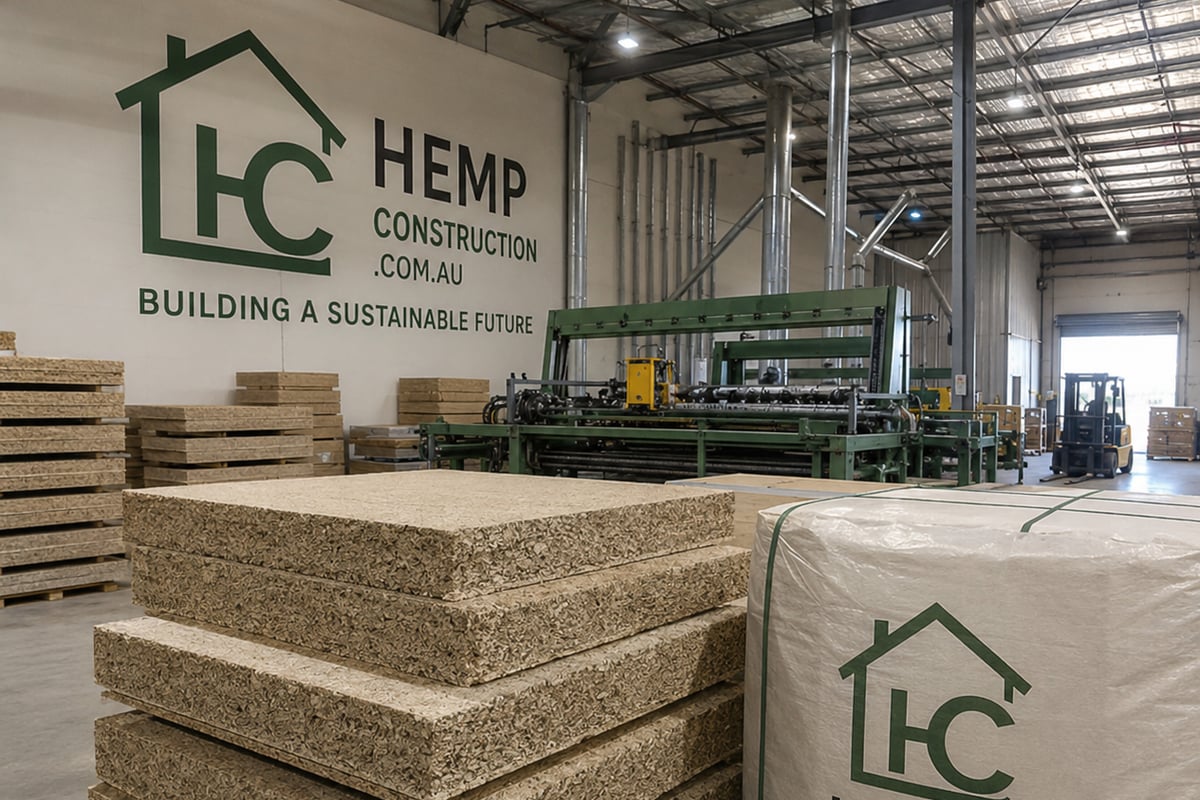
The Turning Point
The US Farm Bill re-legalises hemp; global investment floods back. Hempcrete gains formal recognition in international building codes.
- TODAY
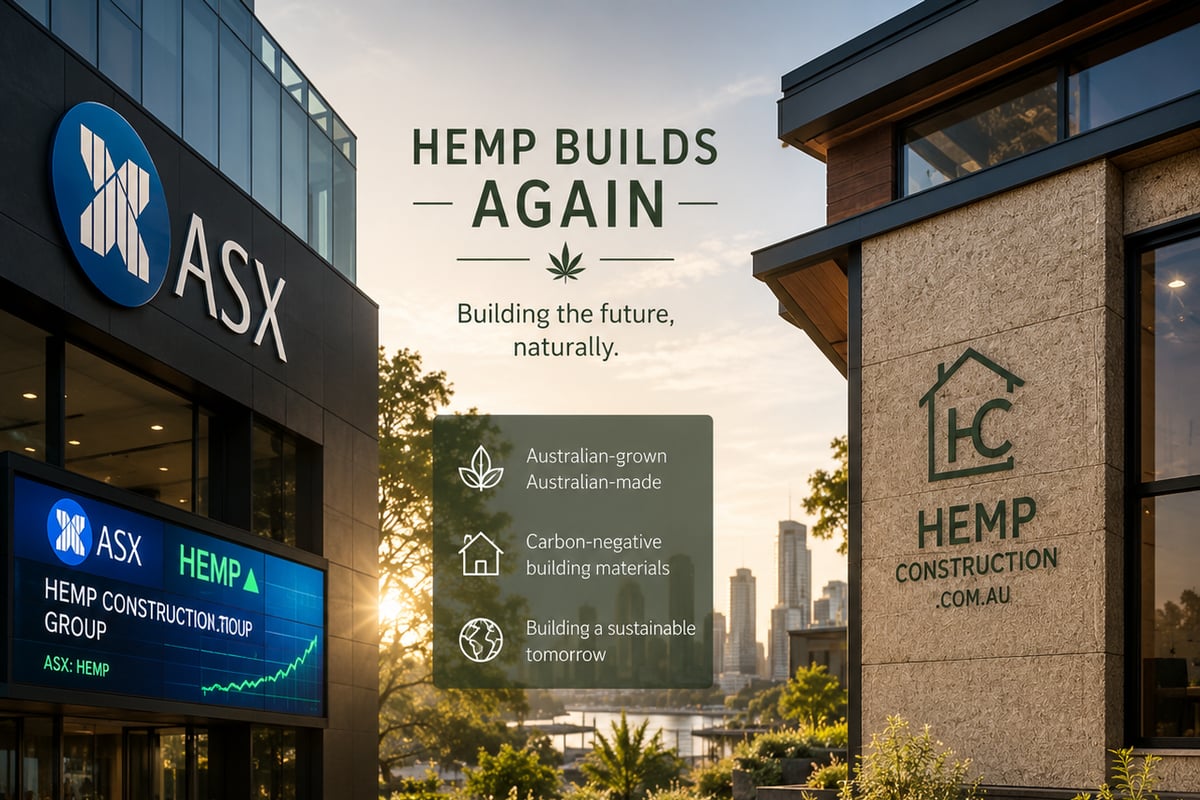
Hemp Builds Again
Carbon-negative walls. Fire-resistant, mould-resistant, breathable homes. Australian-grown, Australian-made hemp panels — the material the industry buried, back to build the future.
Build with the material they tried to bury.
Explore Hemp ConstructionProof, not promises
Class 1a dwelling under the National Construction Code.
Real plans, real factory and product photography, and process video from the Townsville line — backed by Wandarra and its manufacturing arm, HulkBuild.
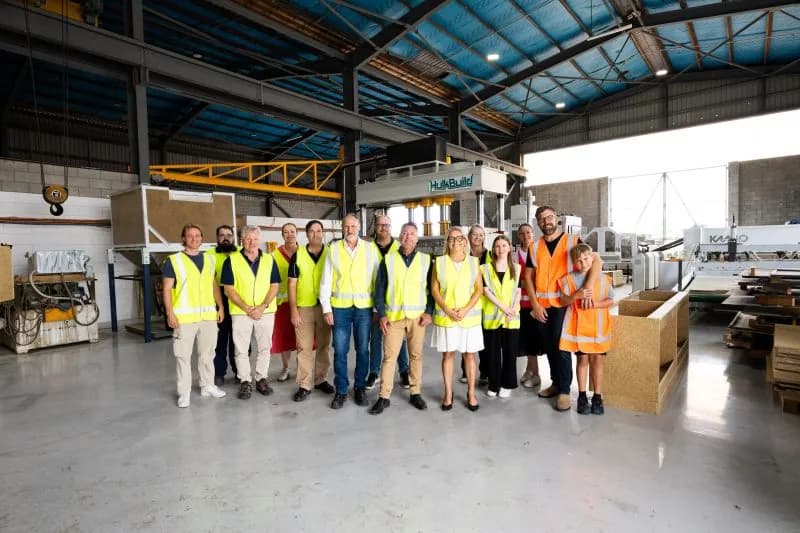
Townsville & North Queensland
Local production, local jobs, cyclone-rated for the north.
We manufacture in Townsville — a modular home and building-materials supply chain built for North Queensland's housing demand, from Lansdown to the CopperString corridor. Rapid-build homes engineered to local wind conditions.
Ready to talk?
Email us or send an enquiry — we'll reply with next steps and a personalised quote.
Prefer email? Write to sales@hempconstruction.com.au